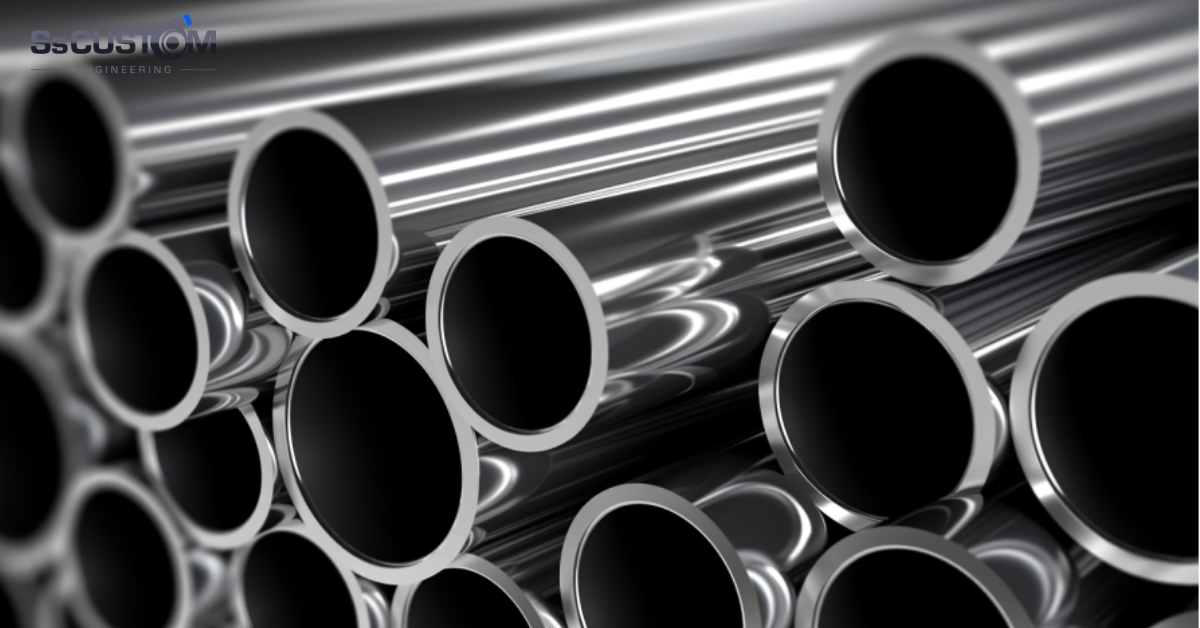
In industrial engineering, automotive fabrication, and fluid transfer systems, stainless tube products are indispensable. Known for their robustness, corrosion resistance, and clean finish, stainless tubes offer reliability across a broad spectrum of applications—from medical-grade systems to high-performance exhausts. This article dives deep into the attributes, manufacturing standards, and real-world uses of stainless tubes to help you understand their significance and choose the right materials for your projects.
What Is a Stainless Tube?
A stainless tube is a hollow cylindrical product made from stainless steel alloys. Unlike pipes, which are measured by internal diameter and thickness for fluid flow, tubes are usually specified by their outer diameter and wall thickness, making them ideal for structural and aesthetic purposes as well as precise fluid transfer.
These tubes come in both seamless and welded formats, with various grades to suit industrial needs. The manufacturing process and alloy selection determine how the tube performs under pressure, corrosion, heat, and mechanical stress.
Key Advantages of Stainless Tube
- Corrosion Resistance
With its chromium content, stainless steel naturally resists rust and chemical degradation, even in marine or acidic environments. - Strength-to-Weight Ratio
Stainless tubes offer remarkable strength while maintaining a relatively light profile, particularly useful in performance or aerospace applications. - Temperature Tolerance
Suitable for cryogenic to extreme heat environments (up to 870°C/1600°F), especially in stainless grades like 304 and 316. - Aesthetic and Finish Options
From satin to mirror-polished surfaces, stainless tubes can be tailored for both utility and appearance. - Hygiene and Cleanability
In food, pharma, and biotech industries, stainless tubes are preferred due to their non-porous, bacteria-resistant surfaces.
Common Applications of Stainless Tube
| Industry | Application Examples |
|---|---|
| Automotive | Exhaust systems, roll cages, turbo manifolds |
| Construction | Handrails, balustrades, structural frames |
| Food Processing | Sanitary piping, dairy processing lines |
| Chemical Plants | Corrosive fluid transfer |
| Medical & Pharma | Sterile environments, medical-grade flow systems |
| Marine Engineering | Saltwater cooling and fuel systems |
Types of Stainless Tube
- Seamless Tubes
Made from a solid billet, these tubes are prized for their strength and uniformity. Ideal for high-pressure and high-temperature systems. - Welded Tubes
Manufactured by rolling and welding stainless steel strips. More cost-effective and sufficient for most structural and low-pressure applications. - Round Tubes
The most common, versatile form used in general engineering and architectural projects. - Square and Rectangular Tubes
Used mainly in construction and furniture applications for aesthetic structure. - Polished or Sanitary Tubes
Feature internal and external polishing to meet sanitary standards in food and pharma sectors.
Stainless Steel Grades Used in Tubes
| Grade | Characteristics & Common Use |
|---|---|
| 304 | General-purpose, excellent corrosion resistance; most widely used |
| 316 | Enhanced resistance to salt and chemicals; used in marine and food applications |
| 321 | Heat-resistant and stable; perfect for exhaust systems and aerospace |
Fabrication Considerations
- Bending: Mandrel bending is often used for exhausts and roll cages to maintain internal diameter.
- Welding: TIG welding provides clean, strong joints. Back purging with argon is essential to prevent internal oxidation.
- Cutting: Use cold saws or laser cutters for precise, burr-free cuts.
- Finish Type: Choose mirror polish for decorative use and pickled/passivated for industrial use.
Importance in Exhaust Systems
Stainless tubes are widely adopted in custom and OEM automotive exhaust systems. Their ability to endure high thermal cycling and corrosive exhaust gases makes them ideal for turbochargers, headers, and downpipes.
A key part of designing a high-performance exhaust is ensuring smooth, unrestricted gas flow. That’s where mandrel-bent stainless tubes excel. Their seamless transitions reduce turbulence and improve engine efficiency.
For sourcing durable and high-performance exhaust materials, check this supplier’s inventory of Stainless Tube options.
Choosing Between Seamless and Welded
| Feature | Seamless Tube | Welded Tube |
|---|---|---|
| Strength | Higher burst and tensile strength | Slightly lower due to weld seam |
| Cost | More expensive | Budget-friendly |
| Size Availability | Limited large sizes | More diverse options |
| Surface Finish | Uniform and smooth | Good, but weld may need grinding |
For high-pressure or sanitary applications, seamless tubes are typically preferred. For structural or non-critical fluid flow, welded tubes offer better value.
How to Select the Right Stainless Tube
When choosing a stainless tube, consider the following:
- Wall Thickness (Gauge): Thicker walls for pressurized systems, thinner for weight-sensitive builds.
- Outer Diameter: Match to your application—common in exhausts are 1.5″, 2″, and 3″.
- Alloy Grade: 304 for general, 316 for marine/chemical, 321 for heat-resistance.
- Finish: Brushed for architecture, mirror-polished for decorative, pickled for industrial.
Maintenance Tips
To maintain peak performance and aesthetics:
- Clean regularly using non-acidic, stainless-safe cleaners.
- Avoid scratches from abrasive tools.
- Rinse after exposure to chlorides or acids.
- Periodically inspect for corrosion or discoloration.
Following these practices ensures a longer lifespan, especially in challenging environments like marine or chemical facilities.
Where to Buy Premium Stainless Tubes
When precision, quality, and reliability matter, sourcing from a reputable supplier is essential. Whether you’re building an exhaust system or constructing hygienic piping for a food-grade plant, investing in certified materials ensures compliance and performance.
Stainless Tube vs. Aluminum Tube: A Quick Comparison
| Feature | Stainless Tube | Aluminum Tube |
|---|---|---|
| Corrosion Resistance | Superior (especially with 316) | Moderate (can corrode in saltwater) |
| Weight | Heavier | Lighter |
| Strength | High tensile and yield strength | Lower strength, easier to bend |
| Temperature Range | High (ideal for exhausts) | Lower (not suitable for exhaust heat) |
| Price | More expensive | Cost-effective for low-stress apps |
For automotive applications where heat and pressure are concerns, stainless is the clear winner. However, aluminum may be more suitable for lightweight intercooler piping or less demanding setups.
Final Thoughts
The stainless tube stands out as a versatile, dependable, and high-performance component across industries. Whether it’s about hygiene, heat, or heavy use, stainless tubes deliver unmatched reliability.
Investing in quality tubes leads to better long-term value, fewer replacements, and superior outcomes—be it in racing, refining, or routine plumbing.
Browse stainless tubes and other compatible stainless exhaust materials at a supplier committed to performance-grade manufacturing and fast delivery. You’ll find top-tier products designed for both everyday functionality and high-demand environments.


