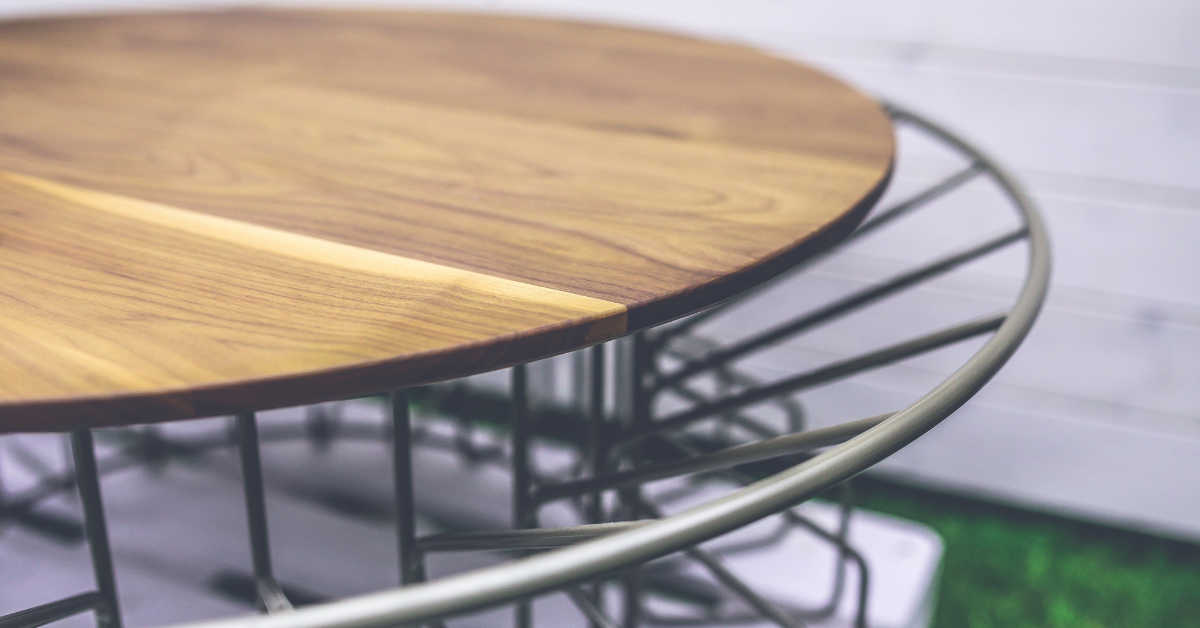
Office organization is one of the most essential elements of a functional workplace. In dynamic work environments where documents, accessories, technology devices, and stationery resources are used constantly, the need for smart storage becomes undeniable. Among the most useful and space-saving furniture pieces available today, the office side rack stands out for its versatility, compact structure, and professional aesthetic. Businesses, startups, and corporate campuses rely on side racks to maintain cleanliness, improve workflow management, and enhance operational efficiency. This detailed guide explores the importance, structure, materials, features, and benefits of side racks and explains how they contribute to a more efficient and visually balanced work environment.
A side rack usually complements an office desk or workstation. It retains necessary items within arm’s reach, ensures documents remain secure, and keeps working surfaces clutter-free. Despite their compact design, side racks can hold important files, folders, stationery, electronic devices, and even personal items. They are especially helpful in work settings where space is limited but storage requirements are high. Many companies invest in modern side racks to boost workplace productivity and maintain a professional look around managerial or executive desks.
Compact storage units provide a neat and systematic workspace, increasing concentration and reducing chaos. When documents are scattered across a table, time is wasted searching for information. A well-organized storage system removes these inefficiencies. Office planners understand that efficiency begins with physical organization; therefore, side racks play a key role in structured office planning. They also support a clean and friendly office culture that visitors, clients, and employees perceive positively.
Why Every Modern Office Needs Side Racks
Side racks serve several essential functions in modern workplaces. First and foremost, they provide fast accessibility. Important folders, reports, business documents, and office accessories do not need to be stored far away, saving time and minimizing interruptions during meetings or focused sessions. Employees can store what they need and retrieve it instantly, improving daily rhythm and productivity.
Secondly, side racks maximize the usage of limited space. Even in small rooms, corner offices, or co-working environments, side racks fit easily beside desks, under tables, or near workstations. They provide vertical and horizontal storage without demanding excessive floor area. This makes them ideal for startups, corporate branches, and home offices alike.
Thirdly, side racks support documentation safety. Many models include lockable drawers or compartments that secure confidential data, client records, financial papers, and legal documents. Sensitive business materials should not be exposed on desks or openly stored where unauthorized personnel may access them. With proper locking systems, side racks ensure security and peace of mind.
Key Features Found in Selected Side Rack Models
Office side racks come with diverse features depending on intended use, material composition, and corporate preference. Some common features include:
Integrated Drawers and Shelves
Drawers make storage multifunctional. Different drawer sizes allow for the separation of documents, stationery, device chargers, accessories, and envelopes. Shelves can store frequently accessed items like catalogues, binders, and manuals. This allows employees to categorize materials, reducing confusion and improving workflow efficiency.
Lockable Compartments
In many workplaces, documents contain sensitive or confidential information. Lockable units protect records from unauthorized access. Managers, accountants, HR officers, and executives often benefit from such models where privacy and data protection matter.
Cable Management Support
Digital offices require space for chargers, network cables, routers, and small peripherals. Some side racks include cable outlets or hidden cable channels that prevent tangled wires, providing a cleaner look and protecting cables from damage.
Mobility and Flexible Design
Side racks can be static or mobile. Mobile units come with wheels and are suitable for dynamic workspaces where configurations must change frequently. They can be moved during cleaning, reorganization, or temporary workspace adjustments. Static models, on the other hand, provide stability and often hold heavier loads.

Material Variety and Aesthetic Appeal
Modern office design values the blending of functionality and aesthetics. Side racks are made from materials such as engineered wood, metal, and high-pressure laminate. These materials offer diverse color themes, finishes, and durability levels that align with corporate interior design systems.
Breakdown of Popular Side Rack Materials and Their Uses
Different materials influence durability, style, and office compatibility. The following table summarizes common material categories:
| Material Type | Durability | Look & Feel | Maintenance | Suitable For |
|---|---|---|---|---|
| Engineered Wood | High | Modern, Smooth | Low | Administrative Offices |
| Metal Frame | Very High | Industrial, Minimal | Moderate | Tech Workspaces |
| Laminate Finish | Medium | Color Variations | Very Low | Small Offices |
| Steel | Very High | Traditional, Secure | Moderate | Financial Departments |
| Wood Veneer | High | Premium, Corporate | Moderate | Executive Rooms |
Engineered wood provides modern appeal with refined textures and versatile designs. It suits meeting rooms and general workspaces. Steel constructions are best for environments requiring durability and security. Veneer finishes are often selected for leadership rooms, where visual warmth and formality matter.
How Side Racks Improve Workplace Workflow
Workplace efficiency depends on how quickly tasks can be completed with minimal interruption. Searching for a file across multiple cabinets disrupts productivity. When a side rack is positioned beside a workstation, files remain organized chronologically or categorically. Quick access eliminates delay and improves performance.
Clutter often reduces cognitive focus. Studies in workspace psychology show that cleaner desks improve concentration and decision-making abilities. Organized storage reduces sensory distractions and allows professionals to move through their day without unnecessary mental fatigue. Therefore, side racks indirectly support cognitive clarity.
Side racks also improve professional image. During client meetings, visible disorder creates a negative perception. A neat environment reinforces trust in the company’s operational standards. Visitors often look at decor and spatial organization to measure professionalism. Clean storage solutions enhance these impressions naturally.
Choosing the Right Side Rack for Your Office
Selecting the correct side rack depends on function, space, user type, and organizational preference. Before buying, consider these important elements:
- Size and available floor space
- Storage capacity and compartment variety
- Locking requirements for confidential data
- Material strength and longevity
- Match with existing furniture color and design
- Static or mobile configuration
- Load-bearing capability
- Cable management needs
- Warranty and after-sales support
Managers working with sensitive files require secure locking compartments. Designers or marketers working with printed samples may favor open shelving. IT personnel might require compact storage for small devices. Therefore, function must guide selection.
Ideal Placement and Office Layout Tips
Placement determines convenience. The side rack should ideally be positioned close enough to reach without leaving the chair. Many racks fit under executive desks or beside conference tables to maintain spatial uniformity. In cramped spaces, positioning side racks against walls prevents movement obstacles and keeps pathways clear.
Color coordination influences visual harmony. Matching the rack with the desk surface, workstation structure, or chair upholstery improves interior unity. Lighting also plays a role. Poor lighting makes open shelves look dull and creates shadows. Well-lit rooms highlight textures and create depth.
Industries Where Side Racks Are Most Commonly Used
Side racks are widely used in corporate offices, schools, clinics, government facilities, banks, and creative agencies. Each sector uses them differently. For example:
- Corporate offices store reports, contracts and IT accessories
- Educational institutes store student files and examination papers
- Clinics store medical records and diagnostic documents
- Banks store financial reports and confidential client information
- Creative agencies store catalogs, portfolios and print samples
Their flexible nature makes them valuable across industries that require paperwork and frequent organization.
Organizational Benefits for Employees and Management
Side racks benefit both employees and management. Employees work faster, feel less stressed about misplaced files, and maintain cleaner work environments. Management benefits from improved workplace discipline, reduced document loss, stronger data security, and positive brand presentation during visits.
Additionally, structured storage reduces the need for large cabinets or bulk furniture. This optimizes space and allows offices to accommodate more staff without expanding physical square footage. In crowded urban hubs where office rent is expensive, maximizing space through smart furniture is a strategic advantage.
Maintenance Tips for Long-Lasting Side Rack Performance
Side racks require minimal care. Basic maintenance includes dusting with microfiber cloths, avoiding corrosive cleaning agents, keeping heavy loads evenly distributed, and checking locks occasionally for smooth operation. Laminated finishes benefit from simple cleaning techniques and resist surface stains. Metal racks should be kept dry to prevent corrosion. Wooden finishes require protection from excessive moisture and heat exposure.
Final Outlook on Office Side Rack Usage
The modern office environment demands efficiency, safety, and aesthetic consistency. Side racks satisfy all three requirements by offering compact space-saving storage, secure documentation solutions, and professional appearance. They are not merely accessories but strategic tools that support better organization, productivity, and workplace clarity.
Organizations that value structure and workflow accuracy often invest in reliable side rack models for their offices. For professionals and businesses seeking high-quality side storage solutions, the latest Office Side Rack designs offer durability, ergonomic convenience, and aesthetic versatility for modern workplace needs. These units complement executive desks, workstations, and collaborative office layouts with ease.
A well-designed Office Side Rack integrates seamlessly into corporate environments, showcasing organizational discipline and supporting daily operations without occupying excessive space. It ultimately contributes to a smarter, faster, and more polished work experience for employees and visitors alike.


